








 0
0
 0
0
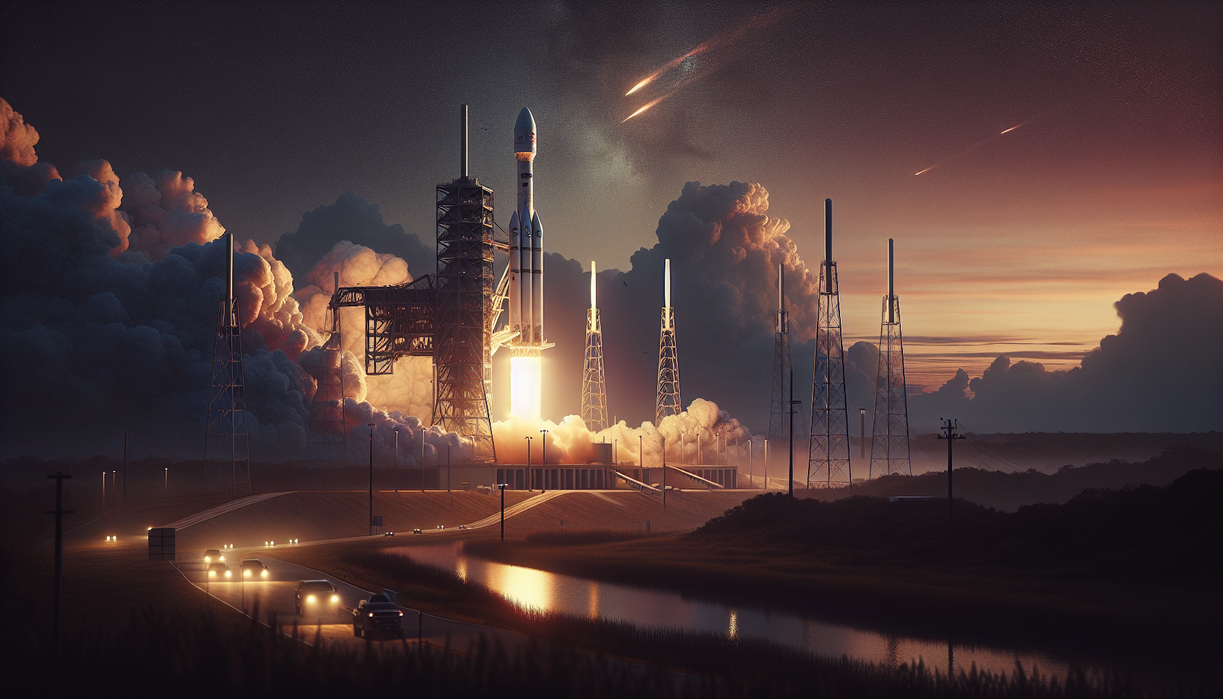
www.alliance2k.org – The latest ssts:tech:science:space headline does not celebrate another flawless Falcon 9 ascent. Instead, it highlights how even the most reliable rockets can stumble. During a recent Starlink mission from California, SpaceX encountered trouble with the upper stage, sparking concerns about near‑term schedules for other launches waiting on the pad in Florida.
This mishap arrives at a moment when ssts:tech:science:space activities already push hardware, people, and launch ranges to their limits. A disruption to the Falcon 9 tempo could ripple through Cape Canaveral’s busy manifest, from commercial satellites to scientific missions. Yet setbacks like this also reveal how modern spaceflight blends engineering discipline with the ability to learn quickly under pressure.
When a trusted rocket stage goes off script
SpaceX has spent years building a reputation for reliability inside the ssts:tech:science:space ecosystem. Falcon 9 launches often feel almost routine, especially for Starlink deployments. That sense of predictability suffered a jolt when the second stage on a California mission failed to perform as planned, jeopardizing the payload and raising fresh questions about hardware endurance.
Early indications point to an anomaly that unfolded after a nominal liftoff and first‑stage performance. The reusable booster completed its primary task, yet the upper stage appeared to encounter issues during its ascent phase. Full details will likely take weeks to emerge, once engineers pore over telemetry, inspect recovered components, and reconstruct the flight timeline frame by frame.
Inside ssts:tech:science:space circles, a second‑stage problem is taken very seriously. That segment of the rocket must deliver precise orbital insertion, especially for large constellations such as Starlink. Any misbehavior can compromise entire batches of satellites, waste valuable launch windows, and, in the worst cases, threaten range safety. This latest event forces everyone to revisit assumptions about reliability, even for proven launchers.
Ripple effects on Cape Canaveral launch cadence
While the anomaly unfolded over the Pacific, its consequences may stretch all the way to Florida’s Space Coast. Cape Canaveral is central to the ssts:tech:science:space launch rhythm, supporting not only Starlink but also scientific missions, commercial telecom fleets, and government payloads. If investigators suspect a systemic issue with Falcon 9’s upper stage, upcoming Florida launches could experience delays.
Launch providers typically pause similar missions whenever a critical system misbehaves. That cautious approach protects customers and preserves range safety credibility. For Cape Canaveral, even a brief stand‑down can cascade through the schedule. Missions competing for limited windows might shuffle positions, some spacecraft teams could miss ideal orbital conditions, and ground crews must rework timelines they planned months in advance.
From my perspective, such disruptions, while frustrating, serve as a stress test for the broader ssts:tech:science:space infrastructure. They expose bottlenecks in range availability, reveal how agile mission planners truly are, and highlight the intrinsic value of redundant launch options. If one vehicle family pauses, alternative rockets—where available—suddenly become far more attractive, encouraging a healthier, more diverse launch marketplace.
What this means for the future of ssts:tech:science:space
Looking ahead, this second‑stage setback could ultimately strengthen the foundations of ssts:tech:science:space progress. SpaceX will dissect the failure, update hardware or software, then feed those lessons into future designs, just as past mishaps led to sturdier rockets and safer operations. For observers, the incident is a reminder that access to orbit remains technically demanding, even when statistics create an illusion of routine. Personally, I see value in that tension: every anomaly slows short‑term plans yet deepens long‑term understanding. In the end, the trajectory of human spaceflight is not defined by flawless streaks, but by how effectively we transform unexpected problems into wiser, more resilient systems.