









 0
0
 0
0
www.alliance2k.org – Drones have changed how we capture the world, but once they land, their cameras often sit idle. That feels like a waste, especially when you own a feature‑packed DJI Mini 4 Pro with impressive image quality, smart tracking modes, and strong stabilization. A new accessory now lets you unlock that potential even when the propellers stop spinning.
Instead of packing a separate action camera or bulky mirrorless body, you can transform certain drones into compact handheld rigs. This approach saves space, stretches your budget, and keeps one consistent visual style across aerial shots and ground footage. For travel creators, vloggers, or casual shooters, that shift can completely change how you plan shoots and document your adventures.
From Flying Machine To Everyday Camera
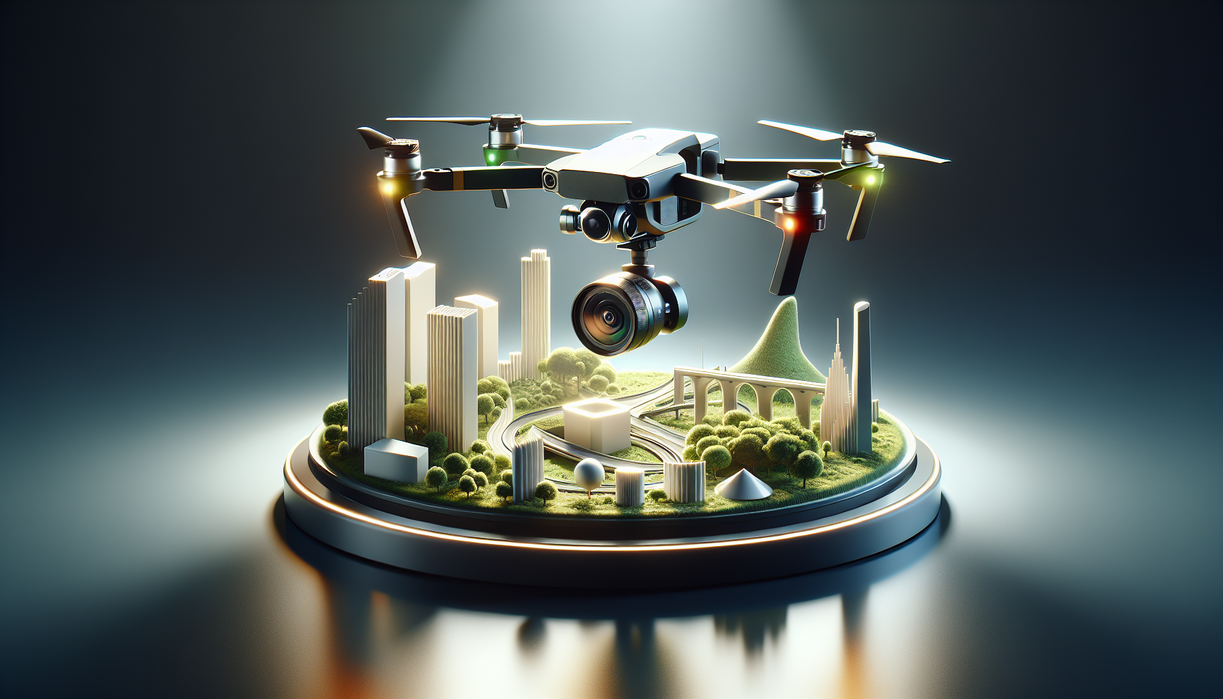
At first glance, drones seem built for one purpose: flying. Yet the Mini 4 Pro hides a sophisticated camera system that rivals many pocket cameras. High‑resolution sensors, wide dynamic range, and advanced autofocus sit behind that tiny gimbal. An add‑on grip or frame lets you hold the drone like a regular camera, turning airborne hardware into a versatile tool for daily capture.
This gadget usually wraps around the body of compatible drones while leaving the gimbal free to move. Extra mounting points, a more ergonomic handle, and sometimes an optional phone clamp convert a small quadcopter into a stabilised handheld device. Instead of hovering above a scene, you walk through it, using the same familiar camera menus, profiles, and quick settings already stored on your drone.
In practice, this means one compact kit for both ground footage and aerial sequences. No more juggling different batteries, chargers, or SD cards for multiple cameras. Every clip comes from one ecosystem, which simplifies color grading and editing later. For creators who prize efficiency, transforming drones into hand‑carried cameras makes a lot of practical sense.
Why Use Drones As Handheld Cameras?
Many people assume a drone is only useful when it takes off. However, that mindset ignores the value of reusing advanced hardware you already paid for. The Mini 4 Pro’s gimbal delivers excellent stabilization, even at walking speed. When paired with a dedicated grip, it behaves like a mini gimbal camera, ideal for travel vlogs, behind‑the‑scenes clips, or smooth B‑roll while exploring a city or hiking trail.
There is also a financial angle. Buying separate cameras for ground and aerial work can be expensive. If drones can cover both jobs, your overall gear cost drops. You invest deeply once, then multiply the ways you use that purchase. For beginners building a content kit, this strategy offers an accessible route to professional‑looking footage without a towering equipment list.
Another benefit is familiarity. You already know how your drone behaves, which settings you prefer, and how its color profile looks. Switching to handheld mode keeps that learning curve flat. Instead of mastering an entirely new device, you extend existing skills. Personally, this continuity matters more than specs alone. Consistent operation means more focus on storytelling, less on button hunting.
Design Details That Make It Work
The accessory ecosystem around drones keeps growing, yet handheld frames for the Mini 4 Pro feel especially clever. The best designs are lightweight, protect the arms, and add mounting threads for microphones, LED lights, or small monitors. Some offer a Detachable handle or a way to hold the drone with two hands for extra stability. A thoughtful layout keeps vents clear so cooling remains effective during longer takes. From my perspective, the sweet spot lies between security and quick setup. If a frame takes too long to attach, you will skip it in fast‑moving situations. The most successful designs snap on quickly, lock firmly, and allow you to shift from backpack to recording mode in seconds.
How The Handheld Conversion Works
Turning drones into handheld cameras starts with the mount. The frame usually envelops the fuselage without pressing against the gimbal assembly. Designers carve out space around the lens so the camera can tilt and pan freely. Rubber or foam padding reduces vibration transfer from your hand to the drone body. Once locked in place, your flying machine becomes a compact rig you can carry through markets, forests, or busy streets.
Control is the next part of the equation. Some users keep the full remote handy and operate the drone camera the same way they would in the air. Others pair a smartphone directly for quick access to settings. Either method lets you switch frame rates, resolutions, and color modes while walking. The gimbal maintains horizon level, compensating for small bumps in your step much like a dedicated handheld stabilizer.
Power management requires a bit more attention. Drones are tuned for shorter, intense flight sessions instead of all‑day video work. Handheld use can drain batteries quickly, especially with high‑resolution modes active. I recommend rotating several batteries, using short bursts for key moments, rather than recording continuously. With smart planning, you can capture an entire day of highlights without missing crucial scenes.
Comparing With Traditional Cameras
How does a handheld drone rig compare with action cams or compact mirrorless bodies? Action cameras excel at durability and ultra‑wide views, yet they often suffer from heavy distortion and smaller sensors. The Mini 4 Pro’s camera offers cleaner detail, better low‑light handling, and a more natural perspective. When paired with a grip, it produces footage that feels closer to cinematic video instead of extreme sports coverage.
Mirrorless cameras still win at ultimate image quality and lens choice. However, they introduce weight, bulk, and higher cost. For creators who prioritize portability, drones offer a strong middle ground. You gain gimbal stabilization and solid image performance without committing to multiple heavy lenses or large camera bags. This balance becomes especially important on trips where every gram in your backpack matters.
From an editorial standpoint, what stands out most is consistency across viewpoints. Aerial shots, eye‑level walk‑throughs, and low‑angle tracking can all share the same visual signature when captured by one sensor. This reduces time spent matching color temperature, contrast, or sharpness across clips. I see that uniformity as a quiet but powerful advantage, particularly for solo creators working with tight editing schedules.
Limitations You Should Consider
Of course, repurposing drones as handheld tools is not a perfect solution. Propeller arms add bulk compared with true pocket cameras, even when folded. Wind noise can become an issue if you rely on the built‑in microphone, so an external mic is almost essential. Regulations in some regions also require careful handling of drones in public spaces, even while grounded, because people still perceive them as aircraft. From my perspective, the biggest trade‑off involves intent. If you mainly shoot talking‑head videos indoors, a small mirrorless camera may serve you better. However, if your storytelling mixes travel, landscapes, and quick establishing shots, a convertible drone rig feels uniquely flexible.
Creative Ways To Use A Handheld Drone
Once you embrace drones as multipurpose cameras, new creative angles open up. You can start a scene with a ground‑level tracking shot, then seamlessly cut to an overhead reveal captured minutes later from the same device. Viewers sense unity in tone and perspective, even if they never realize that both clips came from a converted aerial rig.
Handheld mode also encourages more spontaneous shooting. Instead of deciding whether a moment deserves the effort of a full flight, you simply pull the drone from your bag and record. Quick interactions, street performances, or candid family moments become easier to capture. The device feels less like a specialty tool and more like a daily companion, similar to a compact camera always at arm’s reach.
Personally, I appreciate how this hybrid approach supports minimalist packing. One drone, a small frame, a couple of batteries, and a compact mic can replace a heavier multi‑camera setup. That freedom means more energy for exploring and less for carrying gear. For many modern storytellers, that trade‑off matters more than chasing incremental resolution gains or niche features they rarely use.
Practical Tips For Better Results
To get the most from handheld drones, treat the rig with the same care you would a gimbal camera. Keep your steps light, bend your knees slightly, and move your upper body as one unit. The gimbal compensates for small jitters, but smooth operator movement still improves results. Practice simple moves first: slow forward walks, gentle pans, and subtle tilts.
Next, think about composition. Because the drone camera usually sits slightly offset from your hand, pay attention to where the lens actually points. Use the live view on your phone or remote to refine framing, especially for close subjects. Lock exposure when possible to avoid sudden brightness shifts as you move between sun and shade. These small habits create a more polished final video.
Audio remains the weak link for many drone‑based setups. Whenever feasible, record with an external microphone mounted on the frame or capture sound separately using a small recorder. Clean audio will do more for perceived quality than an extra bump in resolution. In my experience, viewers forgive occasional camera movement far more easily than muffled voices or harsh wind noise.
Looking Ahead For Drone Hybrids
The push to turn drones into full‑time cameras hints at a broader trend. Boundaries between devices keep blurring. We already see smartphones capable of impressive low‑light photography and action cams used for documentary work. Drones joining that multi‑role lineup feels natural. I expect future models to arrive with official grip accessories, improved on‑board audio, and software modes specifically tuned for ground shooting. Until then, third‑party frames for current drones offer a compelling preview of what hybrid capture could look like. For creators willing to experiment, they deliver a powerful reminder: innovation rarely comes only from new gadgets. Often, it comes from using existing tools in fresh, unexpected ways.
Conclusion: Rethinking What A Drone Can Be
Reimagining drones as handheld cameras encourages a shift in mindset. Instead of a niche device reserved for occasional flights, your Mini 4 Pro can become a central part of everyday storytelling. The right grip or frame turns it into a stabilized, travel‑ready tool that handles both sweeping aerials and intimate ground‑level scenes with one familiar interface.
This approach is not flawless, yet the benefits are significant: fewer devices to manage, more consistent footage, and greater creative freedom on the move. It invites you to think of your drone less as a flying toy and more as a modular imaging system waiting to be adapted.
Ultimately, the most important change happens not in the hardware but in our perspective. When we challenge fixed roles for our gear, we uncover new possibilities for how we see and share the world. A humble drone, once limited to the sky, can evolve into a flexible companion that follows your stories wherever they unfold—on the ground or high above it.