







 0
0
 0
0
www.alliance2k.org – The latest AI news headline does not revolve around text, but moving pixels. OpenAI has introduced GPT Image 2, a generative model able to create real-time 4K video straight from natural language prompts. This leap hits the heart of visual production, where tools from Adobe and GPU powerhouses like NVIDIA once felt secure. Now a new kind of competition arrives, one driven by models that think in images, motion, and story rather than layers and timelines.
What makes this AI news even more striking is speed and adoption. GPT Image 2 reportedly reached 500 million API calls within six hours of launch. That pace points to developer enthusiasm and massive curiosity across creative industries. Underneath the headlines lies another twist: ARM-based design reshapes how visual AI workloads run, signaling a transition from traditional GPU-heavy setups toward more flexible compute architectures.
Why GPT Image 2 Dominates Today’s AI News
In current AI news cycles, GPT Image 2 stands out because it blends cinematic quality with immediacy. Generating 4K video in real time moves generative media from experimental demos into something closer to a production-ready engine. Creators no longer wait minutes for render previews; they can iterate like editors scrubbing through footage. That shift influences storyboarding, advertising, education, and social content, where turnaround time often decides who wins attention.
The reported 500 million API calls achieved in only six hours reveal more than hype. They show that developers treat GPT Image 2 as infrastructure, not a toy. Such traffic hints at integration into design pipelines, no-code tools, interactive apps, and enterprise dashboards. AI news often highlights spectacular demos, yet this adoption metric signals something deeper: organizations are already betting workflows on this system.
This surge also sends a message to hardware and software incumbents featured in tech and AI news. When video generation becomes a service accessible over APIs, value migrates from the editing desktop toward cloud-based intelligence. Products like Adobe Premiere or After Effects still matter, but they may become orchestration layers wrapped around AI engines rather than the primary creative engine. Meanwhile, demand for compute changes shape, stressing whoever can deliver efficient inference at scale.
Pressure on Adobe, NVIDIA, and Creative Workflows
For Adobe, every new AI news headline about generative video feels like both a warning and an invitation. On one side, GPT Image 2 can bypass many traditional steps in production. Instead of stitching clips, designers describe a scene and receive a moving sequence. On the other side, Adobe owns the creative mindshare and polished interfaces. The company can integrate such models, or comparable ones, into its suite, positioning itself as the conductor of AI-powered creativity.
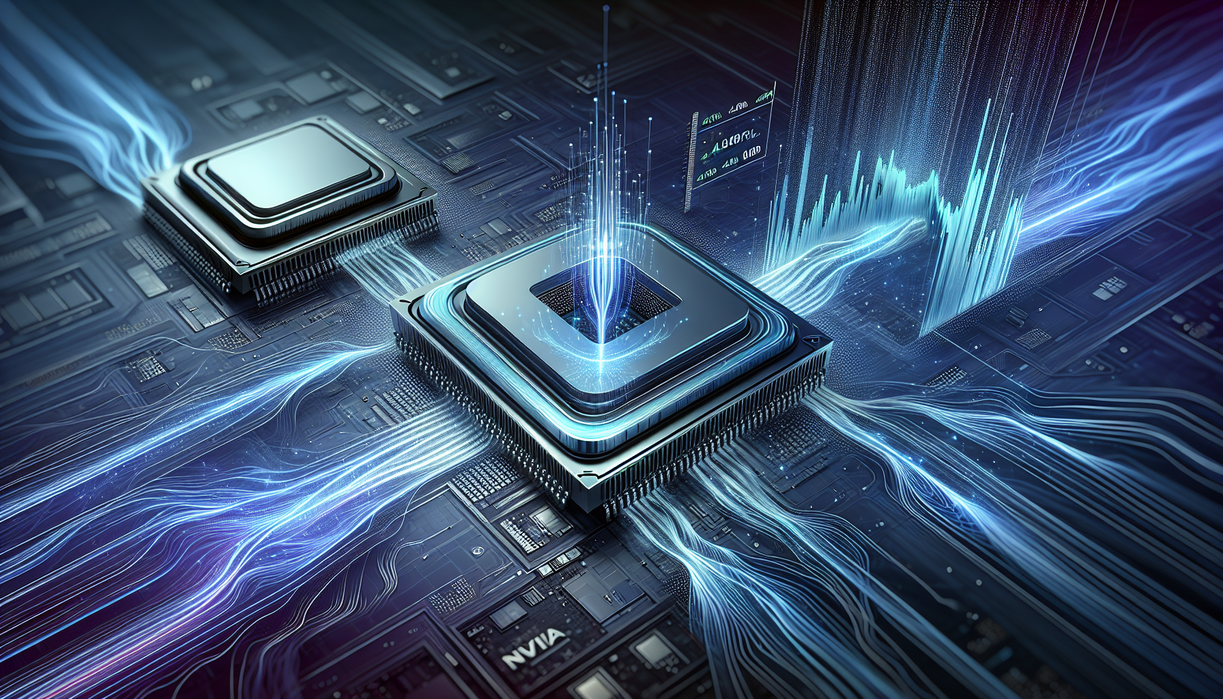
NVIDIA faces a different type of pressure, clearly visible to anyone following market-focused AI news. Visual AI has long relied on NVIDIA GPUs for training and inference. However, the move toward ARM-based designs hints at diversification across hardware stacks. If models like GPT Image 2 run efficiently over ARM-centric architectures, hyperscalers could rebalance investment away from a single vendor. NVIDIA remains vital, but the moat narrows when software becomes more portable.
From my perspective, the deeper disruption targets workflows more than companies. Editors, animators, and motion designers will not disappear; instead, their role shifts toward direction and curation. AI news sometimes imagines a future without creative professionals. Reality looks different. Tools like GPT Image 2 remove tedious tasks, such as rotoscoping or rough compositing, while amplifying the importance of taste, narrative structure, and brand consistency. The bottleneck moves from technical skill to conceptual clarity.
The ARM-Based Shift Behind the Headlines
Among the flood of AI news about GPT Image 2, the ARM-based architecture note might seem like a footnote, yet it holds strategic weight. ARM designs emphasize efficiency, scalability, and customization, characteristics useful for running high-volume inference workloads. If cloud providers can deploy visual AI on ARM-centric chips at lower cost per frame, they gain leverage over GPU-only ecosystems. For developers, that may translate into cheaper API access and broader deployment options, from data centers to edge devices, such as smart displays or even cameras with on-device generative capabilities.
How Real-Time 4K Video Redefines Creation
From a creative standpoint, this AI news moment feels like the jump from film to digital. Real-time 4K generation collapses the gap between imagination and preview. Storyboard artists can watch written scenes come alive almost instantly. Small agencies can prototype campaign ideas without renting cameras or studios. Indie filmmakers experiment with alternate angles, lighting, or visual styles before committing to physical shoots. The budget ceiling for experimentation drops dramatically.
However, speed does not automatically guarantee quality. My view is that GPT Image 2 will excel at mood boards, previsualization, and quick concept sprints first. High-end cinematic production still needs controlled lighting, professional actors, and human nuance. Over time, as models improve and training data expands, the line between previsualization and final output will blur. Until then, the smartest creators will treat this tool as a visual sketchbook instead of a complete replacement for live production.
Another consequence frequently missing from brief AI news snippets concerns education and learning. Students of film or design can now explore camera movement, framing, and pacing by prompting instead of renting gear. That opens creative education for regions without access to expensive hardware. It also raises fresh debates about authenticity. If an entire short film emerges from text prompts, how should festivals and platforms label it? We will need new norms for disclosure and attribution.
Economic Ripples in the AI News Ecosystem
Economic implications of GPT Image 2 reach far beyond share price moves mentioned in quick AI news reports. When high-fidelity video becomes cheap to generate, the cost structure of marketing, entertainment, and training materials changes. Companies once spending heavily on stock footage might instead generate custom scenes on demand. That reduces costs yet also erodes revenue for stock libraries and mid-tier production houses. The value migrates toward concept development and distribution networks.
This technology wave also improves leverage for smaller creators. AI news often highlights billion-dollar firms, but the most interesting impact may hit solo freelancers. A one-person studio can now produce motion content at a level previously requiring a small team. That increases competition, which pressures pricing for basic work. On the flip side, it also encourages specialists to carve out niches, such as distinctive prompt engineering styles or hybrid workflows that combine live action with generated elements.
My personal expectation is a polarization of the market. At the low end, commoditized video generation drives prices toward zero. At the high end, bespoke stories, deep research, and strong branding command even higher rates, because they cut through the noise. AI news often frames this as humans versus machines. In practice, it looks more like humans who wield models effectively versus those who do not. Literacy in visual prompting will become a career skill.
Ethics, Authenticity, and the Next AI News Cycle
No analysis of this AI news milestone is complete without addressing ethics. Real-time 4K generation lowers barriers for both legitimate storytelling and potential misuse, including hyper-realistic deepfakes or misleading political clips. Platforms, regulators, and tool providers must respond with watermarking, provenance standards, and detection systems. From my standpoint, the healthiest path combines transparency with empowerment. Audiences should know when media is AI-generated, while creators should maintain clear logs of datasets, prompts, and edits. As GPT Image 2 evolves, future AI news stories will likely shift from pure technical marvel toward governance, accountability, and digital literacy.
Where Visual AI Heads from Here
Looking ahead, GPT Image 2 will not remain a standalone marvel; it becomes one milestone in a chain of accelerating advances frequently spotlighted in AI news. Expect models that merge video, audio, 3D, and interactive elements into unified environments. Instead of describing a static scene, users might define an entire world with characters that respond to voice or gesture. This points toward immersive education, personalized entertainment, and dynamic simulations for training professionals across many fields.
Infrastructure will evolve in parallel. ARM-based deployments, custom accelerators, and more efficient model architectures all aim to reduce the cost of each generated frame. That battle for efficiency shapes who dominates API markets. Cloud providers that integrate flexible hardware stacks can undercut competitors while sustaining vast volumes of AI calls. For creators, this competition may bring better pricing and higher reliability, though also a need to avoid lock-in by designing portable workflows.
In reflecting on this moment, the headline AI news about GPT Image 2 is less about one company’s achievement and more about a wider transition. We are moving from static content creation toward conversational, generative collaboration between humans and machines. The challenge is not whether the tools will arrive; they are already here. The real question is how thoughtfully we integrate them into culture, economics, and regulation. If we balance innovation with responsibility, real-time 4K video generation could enrich storytelling rather than erode trust, expanding what it means to create, share, and understand visual experience.