








 0
0
 0
0
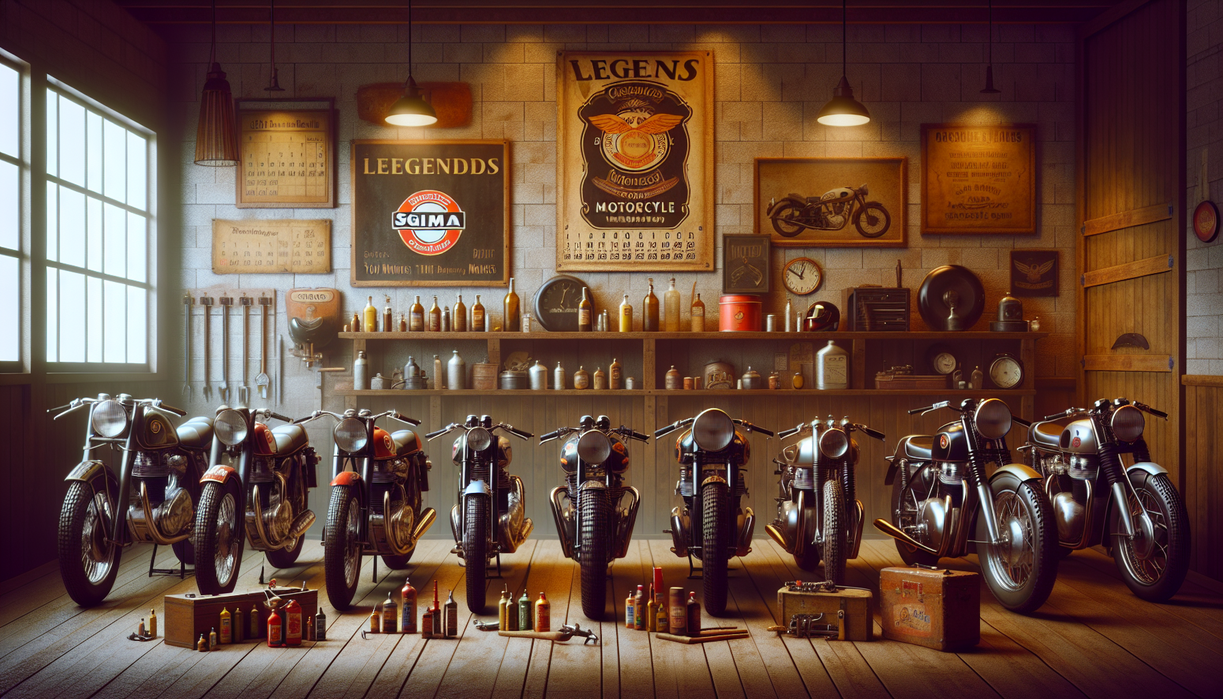
www.alliance2k.org – Motorcycles have a unique power to define a brand’s identity, either lifting it to legendary status or dragging it through years of ridicule. A single breakthrough model can inspire generations of riders, while a poorly executed experiment can haunt showrooms and internet forums for decades. Looking at the best and worst motorcycles from major manufacturers reveals how thin the line is between brilliance and embarrassment.
This exploration of motorcycles across eras highlights benchmark machines as well as notorious misfires. By comparing engineering choices, design goals, and rider reactions, we see how success or failure rarely comes down to power figures alone. Instead, it often revolves around how well a motorcycle matches its intended rider, the market mood, and the soul of the brand itself.
When Motorcycles Become Instant Classics
Some motorcycles achieve classic status almost the moment they hit the road. They combine recognizable styling, approachable performance, and a clear sense of purpose. Riders sense that a bike like this captures an era, representing not just transport but a lifestyle. These machines often stay desirable long after rivals feel outdated, because their character outweighs any spec sheet weakness.
Japanese manufacturers mastered this formula with models such as Honda’s early CB series or Yamaha’s first supersports icons. These motorcycles didn’t just push technology; they stayed rideable for ordinary owners. Comfortable ergonomics, reliable engines, and accessible pricing turned them into everyday legends. Over time, their silhouettes became visual shorthand for “motorcycle” in posters, movies, and even children’s drawings.
European brands built their own timeless motorcycles through emotion and craft. Ducati’s V-twins, BMW’s boxer tourers, and Triumph’s modern classics all lean on strong heritage. They deliver an experience that feels unmistakable: the throb of a twin, the stance of a roadster, the composure of a long-distance tourer. They prove that charisma, not just sheer horsepower, keeps a motorcycle desirable decade after decade.
Brilliant Hits: The Best Motorcycles From Major Brands
Consider the Honda CB750, often called the first true superbike. It mixed four-cylinder smoothness with electric start and civilized manners, at a price enthusiasts could reach. This motorcycle showed that serious performance didn’t need to be temperamental or fragile. In many ways, it reset expectations for what a mainstream road bike could be and forced rivals to modernize.
Then there is the BMW R1200GS, a motorcycle that turned adventure touring from niche pastime into global obsession. Its tall stance, long-travel suspension, and comfortable ergonomics invited riders to cross countries rather than just cities. Despite its size, the GS felt surprisingly manageable, helped by a low center of gravity from the boxer engine. As a result, it became a go-to choice for overland travelers and weekend explorers alike.
No conversation about iconic motorcycles feels complete without mentioning the Ducati Monster. When it arrived, naked bikes were often afterthoughts. Ducati flipped that script by building a stripped-down street machine with real attitude. Exposed trellis frame, muscular tank, and responsive V-twin power gave it a hooligan charm. Riders who wanted Italian flair without race-replica ergonomics finally had a compelling option.
What These Legendary Motorcycles Have In Common
These standout motorcycles share a simple trait: clarity of purpose. Each one knew exactly which rider it targeted and what experience it wanted to deliver. Honda focused on dependable performance, BMW on long-distance confidence, Ducati on urban excitement. None chased every trend at once, which kept their designs coherent. My take is that when a motorcycle feels designed around a real human story, not just numbers, it has a much higher chance of becoming timeless.
When Ambition Outruns Reality
For every legendary motorcycle, there is another that overreached. Sometimes engineers chased futuristic styling at the expense of ergonomics. Other times, marketing promised performance the chassis could not handle. A motorcycle might look radical under showroom lights yet disappoint after a few weeks of real-world riding. Once disappointment spreads, reputations can collapse faster than any launch campaign can rescue them.
Misfires often share a pattern: they try to be everything at once. A bike might attempt to mix sportbike aggression with cruiser comfort and off-road toughness. That mash-up can dilute character rather than enrich it. Instead of attracting three groups of riders, the motorcycle satisfies none. Reviews highlight compromises everywhere, from awkward riding positions to confusing electronics.
Sometimes the problem isn’t concept but execution. Underdeveloped fuel injection, cheap suspension components, or rushed electronics can ruin otherwise promising motorcycles. In an age where riders expect refinement out of the crate, rough edges feel unforgivable. Once early owners start posting negative experiences, future buyers hesitate. The motorcycle becomes known more for flaws than for any strengths.
Famous Missteps: The Worst Motorcycles From Big Names
Major brands are not immune to disaster. Even companies with heroic racing history have delivered motorcycles that miss the mark spectacularly. Think of ill-fated cruisers from sportbike specialists or awkward adventure bikes from brands known mainly for city scooters. In each case, the manufacturer stepped far outside its comfort zone without fully understanding that new audience.
Some “high-tech” motorcycles from the early 2000s make good cautionary tales. Manufacturers rushed to bolt on complex gadgets without deep testing. Early traction control systems, fragile dashboards, or glitchy ride-by-wire throttles dented trust. Riders who simply wanted smooth power and intuitive controls ended up battling software quirks. The promise of advanced technology turned into daily frustration.
There were also styling disasters, motorcycles burdened with ungainly proportions or awkward plastic bodywork. These bikes aged rapidly because they felt tied to a very short-lived design fad. Even if engines and chassis performed well, many riders couldn’t get past the appearance. Once a motorcycle becomes the butt of jokes in online communities, resale values sink, which further poisons the model’s reputation.
Why Big Brands Still Build Bad Motorcycles
In my view, weak motorcycles from big names usually result from fear rather than creativity. Companies panic about missing trends, so they rush out half-baked models. Focus groups, cost cutting, and internal politics then smooth every sharp edge from the design. The result feels generic, with no strong identity. Riders sense this lack of conviction instantly. A motorcycle built to avoid risk rarely becomes a beloved machine; at best, it becomes invisible.
Lessons For Riders Choosing Their Next Motorcycle
For riders, studying the best and worst motorcycles offers practical value. It teaches what traits matter long term: ergonomics that suit real riding, engines with flexible power delivery, and build quality that survives abuse. Shiny gadgets attract attention at first, yet solid fundamentals decide whether a motorcycle remains satisfying three or ten years later. Looking at past hits helps buyers spot those fundamentals beneath marketing gloss.
It also encourages skepticism toward radical new concepts. Experimental motorcycles can be exciting, though early adopters often double as unpaid test riders. If a machine introduces new technology, ask how thoroughly it has been proven. Look for honest feedback from owners who use their motorcycles daily, not only weekend photo shoots. A bit of patience can save money, time in workshops, and many headaches.
Finally, there is a personal element no spec sheet can capture. Legendary motorcycles tend to make riders feel something the moment they sit on them. Maybe it is the way the tank fits the knees, the way the handlebars fall to hand, or the particular sound of the engine. Trust that instinct. While analysis helps avoid disasters, emotion still plays a vital role in choosing a motorcycle you will genuinely cherish.
How Brands Can Earn Back Trust
Manufacturers also learn from these successes and failures. After notorious flops, many brands quietly return to their core strengths. They rebuild credibility through honest motorcycles that do simple things well, such as commuter-friendly nakeds or middleweight tourers. This back-to-basics approach often wins more loyal customers than flashy halo projects with huge price tags and limited practicality.
Listening closely to owner communities has become essential. Enthusiasts dissect every new motorcycle online, highlighting weak points before wider audiences know they exist. Brands paying attention can correct issues in later production runs or next-generation models. In some cases, factory updates inspired by rider feedback transform an initially disappointing motorcycle into a respected late bloomer.
Partnerships with custom builders and racing teams also help restore image. When a brand invites creative outsiders to reimagine its motorcycles, fresh energy enters the lineup. Race success then proves that engineering has real depth, not just marketing flair. My perspective is that humility, openness to critique, and willingness to iterate separate brands that bounce back from those that fade into nostalgia.
What The Future Holds For Iconic Motorcycles
As electric powertrains and advanced rider aids spread, the next generation of iconic motorcycles will likely blend digital brains with mechanical soul. The challenge for manufacturers is to avoid repeating past mistakes: chasing specs at the expense of feel. Riders still crave feedback through the bars, seat, and pegs, even if silence replaces exhaust sound. The best brands will honor timeless principles—clarity, reliability, character—while exploring new technology with care rather than hype.
Conclusion: Remembering Why Motorcycles Matter
Looking back at the best and worst motorcycles from major manufacturers reveals a simple truth: no company is immune to brilliance or failure. Legendary models captured hearts because they understood riders on a human level. Misfires, meanwhile, treated motorcyclists as data points on a chart. That contrast should guide every future design, purchase, and review.
For riders, the lesson reaches beyond nostalgia. When choosing a motorcycle, balance careful research with gut feeling. Seek machines that fit your body, your roads, and your stories, not just your social feed. A truly great motorcycle becomes a companion through weather, traffic, and late-night escapes. Even if industry trends change, that bond remains priceless.
My hope is that as technology evolves, manufacturers remember this emotional core. The motorcycles we remember most are not always the quickest or the most expensive. They are the ones that gave us confidence to explore farther, ride longer, and see our familiar world with new eyes. If brands keep that goal at the center, tomorrow’s classics may be even more meaningful than those we celebrate today.