






 0
0
 0
0
www.alliance2k.org – The freelander name once stood for adventurous compact luxury, bridging rugged trails with city streets. After Land Rover retired the badge, many enthusiasts assumed the story had ended for good. Now freelander is back, revived in China as a fresh electrified SUV marque that breaks free from its original Land Rover roots.
This new freelander era aims at tech‑savvy drivers who want electric power, smart connectivity, plus crossover comfort. What began as a single model has transformed into a standalone brand with regional focus yet global ambition. In this blog, we explore how freelander evolved, why China became its launchpad, and what this bold reboot reveals about the future of SUVs.
Freelander: From British Trailblazer To Quiet Farewell
The original freelander emerged in the late 1990s as Land Rover’s answer to the compact SUV boom. It blended all‑terrain capability with a more approachable size and price, making it a gateway into the brand. For many, that first freelander became a family’s inaugural taste of luxury off‑road life, a softer alternative to burly Defenders.
Over time, freelander struggled to keep pace with new rivals and fast‑moving technology. Land Rover shifted strategy toward more premium models, investing heavily in the Discovery Sport and Range Rover Evoque. Both successors effectively replaced freelander in showrooms, pushing the older nameplate into the shadows as tastes evolved, yet nostalgia persisted.
Eventually the freelander badge disappeared, closing a distinct chapter in Land Rover’s history. However, brand equity rarely fades entirely, especially when it carried emotional weight. The name lingered in forums, classifieds, and enthusiast meets. That residual recognition has now become a springboard for an unexpected relaunch powered by China’s booming electric vehicle ecosystem.
China’s EV Surge Gives Freelander A Second Life
China currently leads the global electric vehicle race, both in production volume and technological speed. Local firms iterate rapidly, experimenting with new sub‑brands and digital experiences. This environment offers fertile ground for resurrecting a familiar name like freelander, turning past recognition into a modern EV story. The new freelander leverages that climate to reposition itself as future‑oriented.
Instead of returning as a traditional combustion SUV, freelander reappears as an electrified marque focused on plug‑in hybrids and full battery models. That move aligns with China’s aggressive emissions goals and growing charging networks. Drivers there increasingly expect spacious cabins, smart software, over‑the‑air updates, plus competitive range. The freelander brand must meet those expectations from day one, or risk being overshadowed.
Launching freelander first in China is also a calculated signal to global markets. It hints that the brand’s centre of gravity has shifted from British heritage toward Asian innovation. From my perspective, this pivot reflects a broader truth: in the next decade, many beloved automotive names might only survive by embracing new geographies, powertrains, and digital ecosystems.
Design, Tech, And Identity: What Defines The New Freelander?
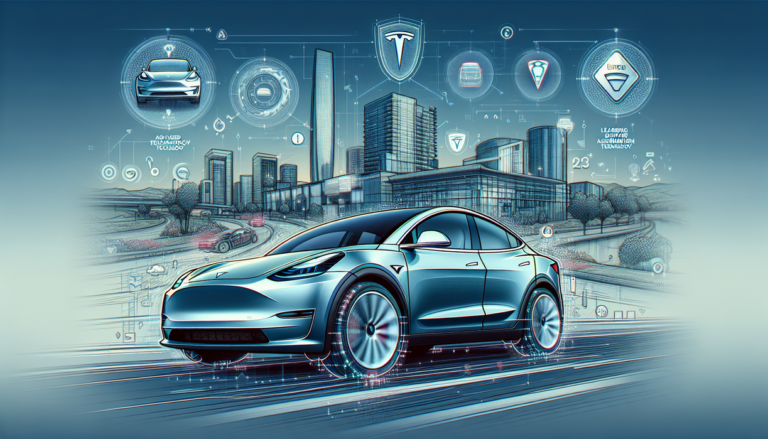
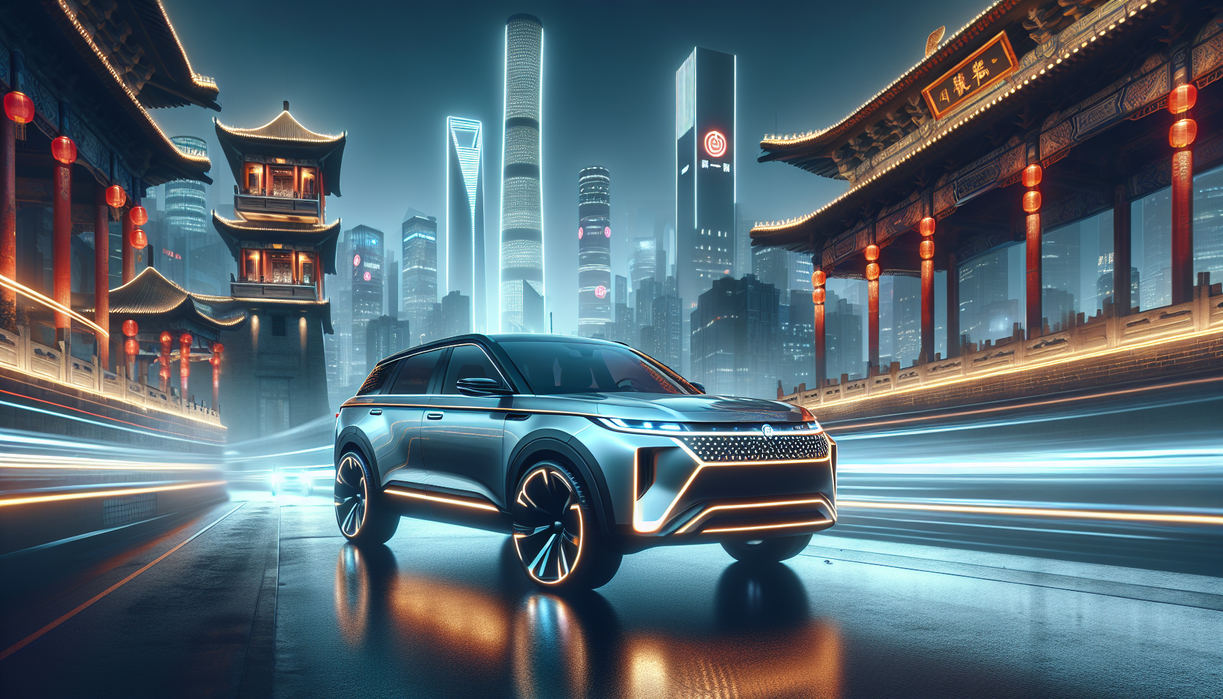
Early previews suggest the revived freelander will distinguish itself through clean exterior lines, generous cabin space, and a tech‑heavy cockpit. Expect a large central screen, advanced driver assistance, plus smartphone‑level interface design that younger buyers demand. Underneath, electrified powertrains should balance efficiency with enough torque to honour the freelander legacy of light adventure. The challenge lies in identity: without a Land Rover badge, freelander must prove it is more than a nostalgic sticker. It needs a credible story that connects past rugged spirit with present‑day digital luxury, all while pricing itself competitively against an intense field of Chinese EV brands.
What Makes Freelander’s Comeback Different?
Many classic nameplates have returned over the years, yet freelander’s rebirth stands out. This is not a simple retro reissue with old styling and new engines. Instead, freelander morphs from a single Land Rover model into an independent brand with its own roadmap. That repositioning turns a once‑niche SUV into a broader family of electrified vehicles, ready for multiple segments and regions.
The absence of a Land Rover badge might appear risky, but it provides freedom to experiment. Without strict expectations of hardcore off‑road performance, freelander can emphasise comfort, range, and digital features. City‑biased customers who rarely tackle rough trails may actually see this as an advantage. In that sense, freelander evolves from mud‑splashing adventurer into everyday electric companion.
My view is that this move reflects a deeper industry shift from heritage‑driven branding to experience‑driven branding. Drivers today often care less about a crest on the grille and more about app integration, charging convenience, and subscription services. If freelander delivers a smooth ownership journey, the missing Land Rover emblem may become irrelevant, possibly even forgotten by new buyers.
Electrified Identity: Can Freelander Compete Globally?
As freelander eyes markets beyond China, competition will intensify. Europe, Southeast Asia, and South America each have unique regulations, charging infrastructure, and tastes. To succeed, freelander must tailor range offerings, interior materials, and pricing strategies for each region. A one‑size‑fits‑all electric SUV will struggle against established rivals that already understand local nuances very well.
Freelander’s biggest strength could be its ability to span price brackets. Entry models might appeal to budget‑minded urban commuters, while higher trims provide premium finishes and longer range. If the brand balances affordability with credible quality, it can undercut legacy brands that still carry high overheads. This value proposition may echo the original freelander’s role as a more accessible route into SUV life.
However, skepticism will follow freelander across borders. Some will question reliability and long‑term support, especially where Chinese newcomers face regulatory hurdles. Personally, I think the brand’s survival hinges on transparency: clear battery warranties, robust service networks, and honest communication about software updates. Win trust early, and freelander can graduate from curiosity to contender.
Personal Take: Nostalgia Meets A New Kind Of Adventure
As someone who remembers the first freelander skirting muddy lanes yet parked outside supermarkets, this reboot feels both familiar and strange. The badge promises exploration, but the terrain has changed from forest tracks to digital highways and charging maps. If the new freelander manages to deliver genuine usability, fair pricing, and a pinch of that old adventurous charm, it could write a compelling next chapter. The name no longer leans on Land Rover, which might actually empower it to become a fresh symbol of everyday electric freedom rather than a footnote in British SUV history.
What Freelander’s Revival Says About The Auto Future
The rebirth of freelander illustrates how car culture now spans continents, supply chains, and software platforms. A badge once tied tightly to British engineering now thrives within China’s rapid innovation cycle. This cross‑pollination may unsettle purists, but it also breathes new life into beloved names that might otherwise remain museum pieces or nostalgic stickers on old tailgates.
Electrification accelerates this transformation. When motors, batteries, and chips define driving feel, heritage becomes a flexible asset rather than a fixed rulebook. Freelander leverages memories of approachable adventure, then layers on connectivity, driver aids, and silent propulsion. The outcome could appeal to a generation that craves road trips yet considers fuel pumps relics of the past, not part of the dream.
In the end, freelander’s journey from British countryside to Chinese tech labs invites a broader reflection on identity. Brands evolve, badges migrate, yet the desire for freedom on four wheels remains constant. If this revitalised freelander can fuse its humble off‑road roots with a credible electric future, it may prove that reinvention is not betrayal but survival. The story closes one chapter with Land Rover, then opens another on unfamiliar roads, asking drivers everywhere what adventure should feel like in a quieter, smarter, electrified world.