







 0
0
 0
0
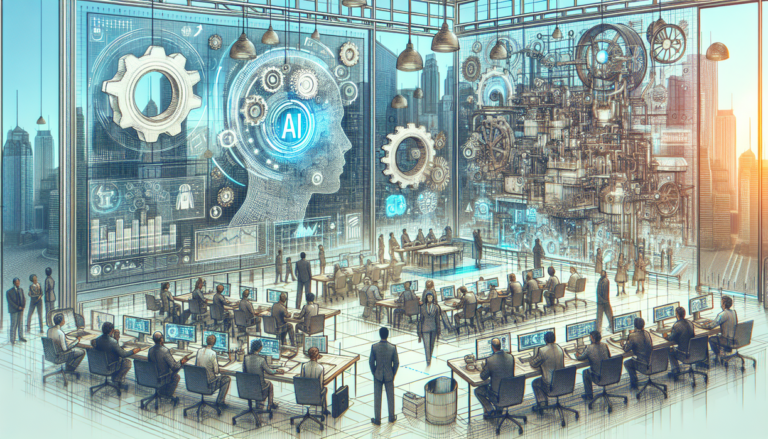
www.alliance2k.org – This blog explores how AI-powered vulnerability discovery reshapes modern security, using Akamai’s mission as a real-world example. Instead of focusing only on firewalls and alerts, this blog looks at how intelligent systems search for weaknesses before attackers do. By treating code, configuration, and traffic patterns as signals to analyze, organizations gain a proactive shield instead of a reactive patchwork.
As you move through this blog, you will see why automated discovery has become core to Akamai’s strategy. It is not just a new tool; it is a shift in mindset. Security evolves from a manual inspection exercise into a continuous, data-driven discipline that merges machine intelligence, human expertise, and cloud-scale infrastructure.
Why This Blog Focuses on AI-First Discovery
Security used to depend heavily on periodic audits and human-driven penetration tests. Those practices still matter, yet they struggle to keep pace with continuous deployment pipelines and sprawling application estates. This blog highlights AI-powered discovery because it allows security teams to scan immense surface areas at machine speed, transform raw telemetry into insight, and uncover subtle chains of weakness that humans might overlook.
For a provider like Akamai, which delivers and protects vast amounts of global traffic, traditional methods alone are no longer enough. AI helps prioritize where risk actually lives instead of where it appears on paper. This blog underlines how algorithms identify unusual behavior, dangerous configurations, and novel exploit paths that signature-based tools do not recognize. That shift gives defenders an early advantage against both opportunistic attackers and advanced adversaries.
Another reason this blog emphasizes AI is its effect on organizational culture. When systems continuously surface credible, ranked findings, security stops being a once-a-year scramble before an audit. It becomes an everyday habit woven into engineering, operations, and product planning. Teams learn from patterns detected by models, refine controls, and turn discovery into a feedback loop that steadily raises the cost of attack.
Inside Akamai’s AI-Driven Vulnerability Engine
From a technical angle, AI-powered vulnerability discovery blends several approaches rather than relying on a single magic algorithm. Models ingest logs, code metadata, traffic traces, and infrastructure context. They then apply anomaly detection, clustering, and pattern recognition to identify misconfigurations, unsafe endpoints, or unexpected data flows. In this blog, the focus is less on math and more on the impact: such engines allow Akamai to map real-world risk across its platform at a volume humans cannot match.
One strength of this approach is correlation. Instead of viewing each alert in isolation, AI links many small signals into a clear narrative. A slightly misconfigured API, an unusual authentication pattern, and a minor privilege gap might not trigger concern by themselves. Combined, they reveal an exploitable path. This blog stresses how that holistic view helps security teams close multi-step attack chains before criminals string them together.
My perspective is that the real power lies in feedback. When Akamai’s analysts review AI findings, validate them, and push corrections back into the system, the models grow sharper. Over time, noise decreases while detection quality improves. This blog treats AI as a partner for experts, not a replacement. Human judgment still decides what matters, while algorithms shoulder the heavy lifting of sifting billions of events to find the few that deserve attention.
Balancing Automation with Human Insight
No credible security blog should claim AI solves everything. Automated discovery introduces fresh challenges, including bias in training data, over-reliance on model outputs, and potential blind spots in novel environments. The healthiest posture, illustrated by Akamai’s mission, pairs automation with seasoned security engineers who question results, tune models, and interpret findings in business context. My view is simple: AI broadens eyesight, yet humans still decide where to focus, how to respond, and which risks align with strategic priorities. When that partnership works, vulnerability discovery shifts from a reactive scramble into a thoughtful, ongoing practice that protects users while also respecting innovation. In the end, this blog argues that the future of defense belongs to those willing to reflect, adapt, and let intelligent tools amplify human responsibility.