







 0
0
 0
0
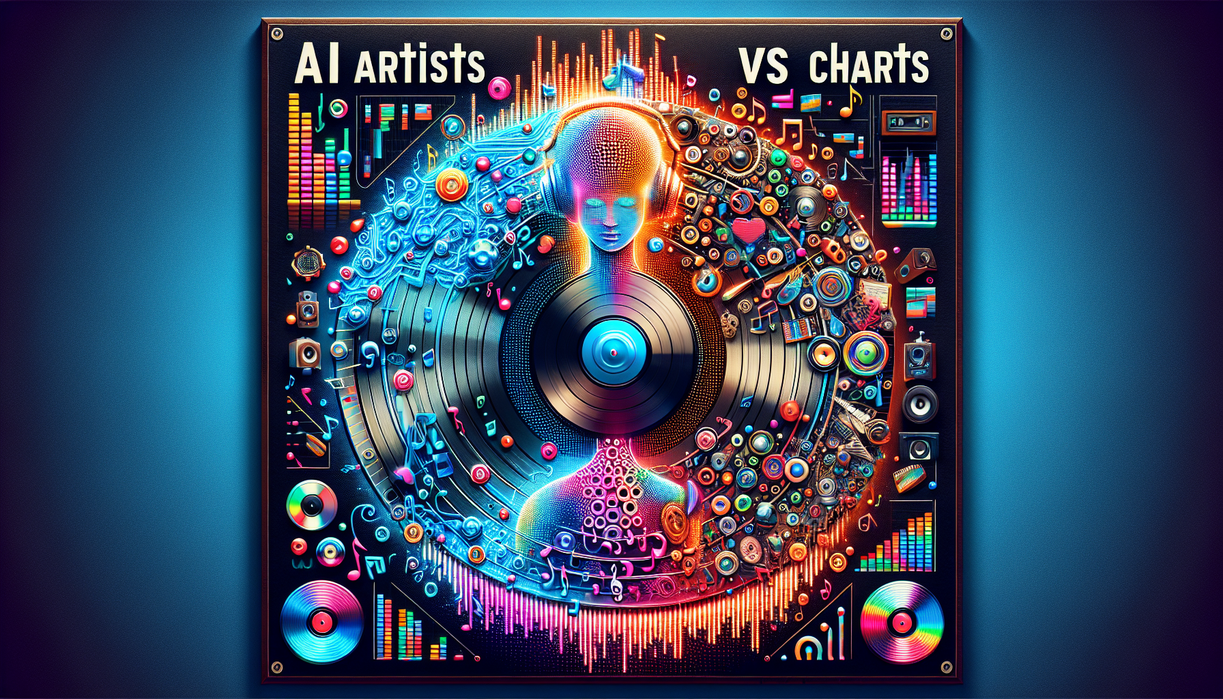
www.alliance2k.org – In recent united states news, a heated debate has erupted over whether AI-driven artists deserve a seat at the same table as human performers on major charts. The spotlight fell on manager Romel Murphy, who works with singer Xania Monet, and Willie “Prophet” Stiggers, CEO of the Black Music Action Coalition (BMAC). Their clash reflects a larger struggle inside the music world: can code-made creativity share equal billing with flesh‑and‑blood talent, or should separate lanes exist for artificial performers?
This disagreement reaches far beyond industry gossip. It cuts to core questions shaping current united states news about culture, technology, labor, and ownership. From Billboard placements to Spotify playlists, the rules built for human artists now face pressure from algorithms. As streaming platforms fill with synthetic voices, the industry must decide whether AI artists compete directly with human creators or operate under different standards entirely.
Why AI Artists Are Stirring Up United States News
AI musicians have moved from novelty experiments to chart‑eligible contenders, pushing the story into mainstream united states news. Romel Murphy argues that completely synthetic acts threaten the fragile economy of working performers. Every playlist slot or chart position given to a digital persona could sideline an emerging human voice struggling to build a career. For managers who nurture long‑term talent, an algorithm that never sleeps, never ages, and never asks for a royalty bump looks less like innovation and more like a silent competitor.
Willie “Prophet” Stiggers approaches the issue from an advocacy lens focused on equity and accountability. He stresses that Black artists built much of the global music landscape, yet still battle unequal pay, biased algorithms, and opaque label practices. Dropping AI artists into this environment without strict guardrails risks amplifying those historic gaps. If labels or tech firms secretly train AI on vocals, lyrics, or styles rooted in Black culture, then profit from synthetic copies, the harm compounds existing injustice.
At the same time, supporters of AI creativity insist the tools can empower independent musicians rather than erase them. Generative systems can handle tedious tasks like demo production, arrangement sketches, or language translations, freeing humans to focus on emotion, storytelling, and performance. The real flashpoint covered in united states news is not the existence of AI tools, but whether fully synthetic personas should stand beside human acts on the same charts, with no labels disclosing what listeners actually hear.
Billboard, Spotify, and the Battle Over Fair Play
Billboard charts and Spotify playlists act as gateways to revenue, cultural relevance, and career sustainability. When AI artists enter those spaces, they raise practical questions about transparency. Should an AI‑generated act be clearly marked on every platform? If not, fans may unknowingly stream songs created by models trained on their favorite human voices. That would turn united states news about innovation into a story about consumer deception.
There is also the problem of cost. Labels or tech startups can spin up countless AI projects without travel budgets, studio bills, or tour support. These virtual acts never miss a deadline or demand creative control. If executives chase short‑term profit, the temptation to flood platforms with synthetic catalogues grows. Human performers, already squeezed by low per‑stream payouts, could be buried under an avalanche of frictionless, endlessly replicable content.
Yet some insiders propose a middle path. Rather than banning AI acts from charts, create separate classifications or dedicated rankings. One list for human‑led recordings, another for AI‑generated projects, plus clear metadata on every track. This framework would preserve fair competition while acknowledging emerging formats. Platforms based in the United States could lead by example, updating chart rules and streaming guidelines so the next wave of united states news focuses on creative breakthroughs, not scandals over hidden robots gaming the system.
A Personal Take: Draw the Line at Deception
From my perspective, the core issue is not the presence of AI but the risk of erasing human effort behind a glossy digital facade. Tools that help a songwriter flesh out harmonies or a producer clean up stems feel like natural evolution. Fully synthetic artists marketed as if they shared the same struggles, histories, and risks as living performers cross an ethical line. Charts and streaming services carry cultural power, especially across the united states news ecosystem. They should reward lived experience, originality, and consent. AI can assist, collaborate, even experiment under its own label, yet it must never masquerade as a human peer. If the industry commits to radical transparency, fair credit, and community oversight, technology could deepen music’s emotional reach rather than hollow it out. The choice now belongs to executives, lawmakers, and listeners deciding whose voices they want at the center of tomorrow’s soundscape.