







 0
0
 0
0
www.alliance2k.org – On Christmas Eve, social media feeds filled with unusual Tesla footage. Clips showed cars gliding through city streets with an empty driver seat, Elon Musk lounging in the back, and Tesla’s AI Director Ashok Elluswamy sharing technical content context around these driverless Robotaxi rides. For many, it looked like a sci‑fi teaser. For Tesla, it served as a strategic reveal of where its autonomy program believes it stands.
Those videos were more than flashy holiday posts. They delivered carefully framed content context that tried to answer a growing question: Can Tesla’s Full Self‑Driving stack handle real roads without a human ready to grab the wheel? By blending cinematic shots, behind‑the‑scenes commentary, and engineering snippets, Musk and Elluswamy attempted to show a future where Tesla owners relax in the backseat while software does the rest.
Unpacking the Christmas Eve content context
The Christmas Eve clips arrived with a deliberate tone. Musk shared footage of a Tesla navigating public roads with no one in the driver seat, while he sat in the rear filming part of the experience. Elluswamy added posts that supplied layered content context, pointing to how the system perceived lanes, cars, and pedestrians. Together, their updates tried to portray this ride as more than a stunt. Instead, they framed it as a milestone on the road toward a commercial Robotaxi network.
By placing Musk in the backseat rather than the front, Tesla sent a symbolic message through the content context. He did not hover over the steering wheel. He behaved like a passenger evaluating a service, not a test driver babysitting a prototype. That visual cue speaks directly to Tesla’s narrative: autonomy no longer needs a human hand on standby for every moment, at least under some conditions. Whether that holds under scale remains an open question.
Elluswamy’s posts added technical flavor to that same narrative. He discussed how the system handled turns, intersections, and traffic, while emphasizing moments he called “perfect driving.” This choice of phrasing, embedded in the content context, aimed to contrast the software’s composure with common human errors. Yet perfection in a short curated clip differs from reliability across millions of miles. The context invites curiosity, but also demands deeper scrutiny from regulators, researchers, and drivers.
Empty driver seat, full narrative
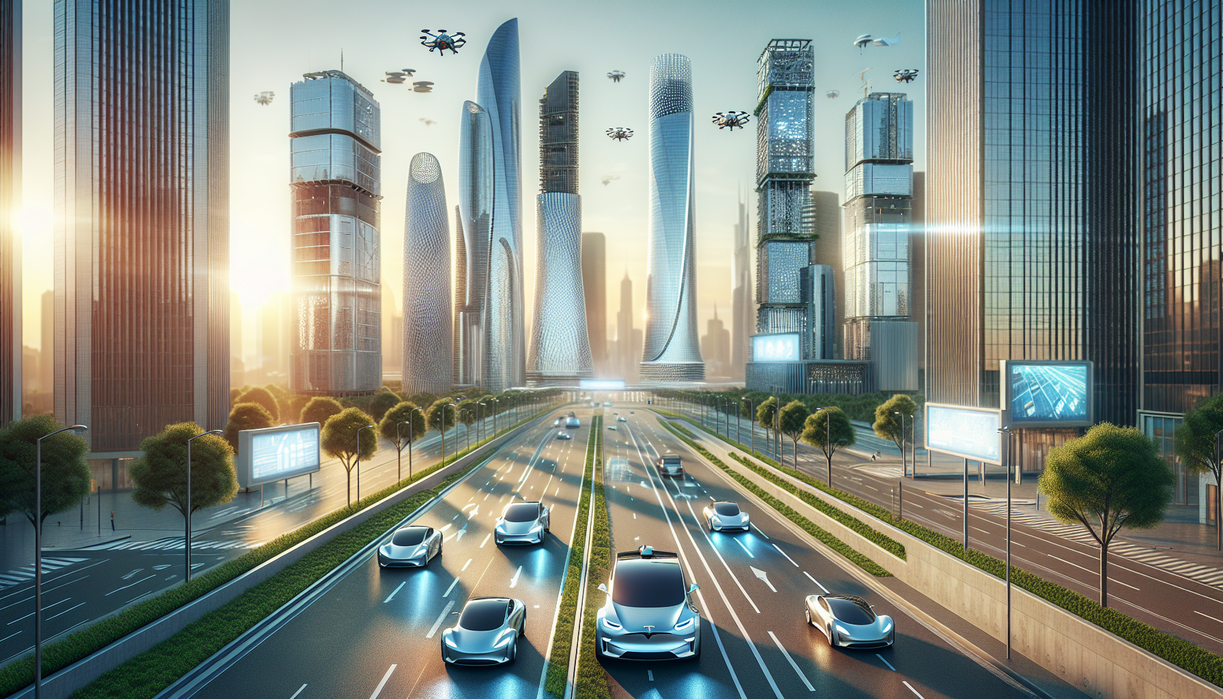
The most striking visual from the content context was simple: an empty driver seat moving through real traffic. That image taps into a powerful psychological shift. For years, Tesla’s FSD demonstrations involved attentive humans ready to intervene. Removing that figure, even just for a test ride, changes the emotional script. The car no longer looks like a driver aid; it resembles a service product ready for Robotaxi deployment, at least on first impression.
From a storytelling perspective, Tesla’s Christmas Eve content context functioned almost like a soft launch trailer. It did not announce a final Robotaxi service, yet it offered enough detail to fuel speculation. Viewers saw lane changes, turns, and city driving, plus Musk’s commentary from the back. That combination of casual tone and technological bravado often defines his communication style. It keeps Tesla at the center of autonomy conversations, even when competitors pursue more cautious rollouts.
However, curated content context always carries blind spots. The clips did not show how many test runs failed before one clean recording emerged. They did not reveal whether the route received prior tuning, or how the system behaved under harsher conditions like heavy rain or complex construction zones. As a blogger watching this unfold, I see tremendous progress, yet I also see an edited highlight reel, not a neutral audit log. Viewers should treat it as inspiration plus marketing, not definitive proof.
The deeper meaning behind Tesla’s content context
Beyond the spectacle, this content context hints at Tesla’s strategic priorities for the coming years. Musk wants investors, regulators, and customers to picture a world where parked Teslas earn money as Robotaxis instead of sitting idle. Elluswamy’s breakdowns suggest the engineering team believes the core software stack is approaching that level, at least for some environments. My view: these empty‑seat rides represent a bold, partial glimpse into that future. They show a system impressively capable under favorable conditions, yet still dependent on careful oversight, robust validation, and honest data. As the story of autonomy evolves, Tesla’s Christmas Eve reveal will likely be remembered less as proof of perfection, and more as a pivotal moment where the content context itself shaped how society imagines driverless mobility.