










 0
0
 0
0
www.alliance2k.org – Content context might sound like a buzzword from marketing slides, yet it quietly shapes how we judge value at Costco. When you push a cart packed with Kirkland Signature goods beside one full of big-name brands, content context decides whether you feel smart or duped. It is not just about price tags. It is about what is inside the package, how often you use it, how long it lasts, and how it fits your real life.
I recently walked the aisles with two mental carts: one stocked with almost all Kirkland Signature items, the other loaded with comparable national brands. On paper, Kirkland often wins. But content context reveals a more nuanced story: some brand names justify their premium, while others melt under scrutiny. The surprise was not that Kirkland is cheap, but where the real savings actually appear.
Content context: more than a price tag
Most shoppers glance at the shelf price, maybe the unit cost, then call it a day. Content context pushes you to zoom out and ask tougher questions. What is the ingredient list like? How often will I reach for this product? Does it replace eating out? Does it reduce waste at home? These questions turn a cart comparison at Costco into a deeper look at how you spend, not just what you spend on.
Take coffee, for instance. A big Kirkland Signature canister might seem like yet another bulk impulse purchase. Next to it, a sleek national brand bag flaunts roasting notes and origin stories. Content context forces a closer look: both give you caffeine, yet the Kirkland tin usually offers more cups per dollar, with quality close enough for most palates. If your daily brew happens at home, that difference compounds every single morning.
On the other hand, some brand-name items still win once you widen the lens. A Kirkland shampoo may cost less per ounce, yet a salon-brand bottle can stretch longer because you use smaller amounts, or it keeps hair healthier so you skip other products. Content context reveals savings hidden in longevity, effectiveness, and reduced add-ons. It is not always about the sticker price; it is about the full story of how an item works for you.
Inside the cart: Kirkland vs brand names
Walking through Costco with content context in mind turned my usual routine into an experiment. For pantry staples like olive oil, nuts, and canned tomatoes, Kirkland Signature dominated my comparison. Ingredient lists were short and recognizable. Taste tests at home showed minimal difference from premium national labels, sometimes none at all. When a private label matches or nearly matches quality while undercutting price, the numbers speak loudly.
Yet content context also highlighted gray areas. Take paper towels and toilet paper. Kirkland’s versions appear cheaper per roll, yet roll size, thickness, and absorbency matter. Use more sheets each time, and the supposed discount erodes. In my household tests, Kirkland paper towels held up very well, so the lower price translated into true savings. Toilet paper, though, came closer to a tie with one major brand because we used slightly more Kirkland sheets per visit. The difference was modest, yet it showed how context can tilt the equation.
Snacks may be the most revealing category. Kirkland nuts, trail mixes, or protein bars often mirror brand formulas, sometimes produced by the same contract manufacturers. Per ounce, Kirkland almost always wins. But content context forced me to admit something: a giant tub of bargain snacks can encourage mindless grazing. When quantity spikes, your cost per satisfied snack might rise instead of fall. In that case, a smaller bag of a pricier brand could actually support better habits, which is a different type of value.
How Costco’s single label shapes perception
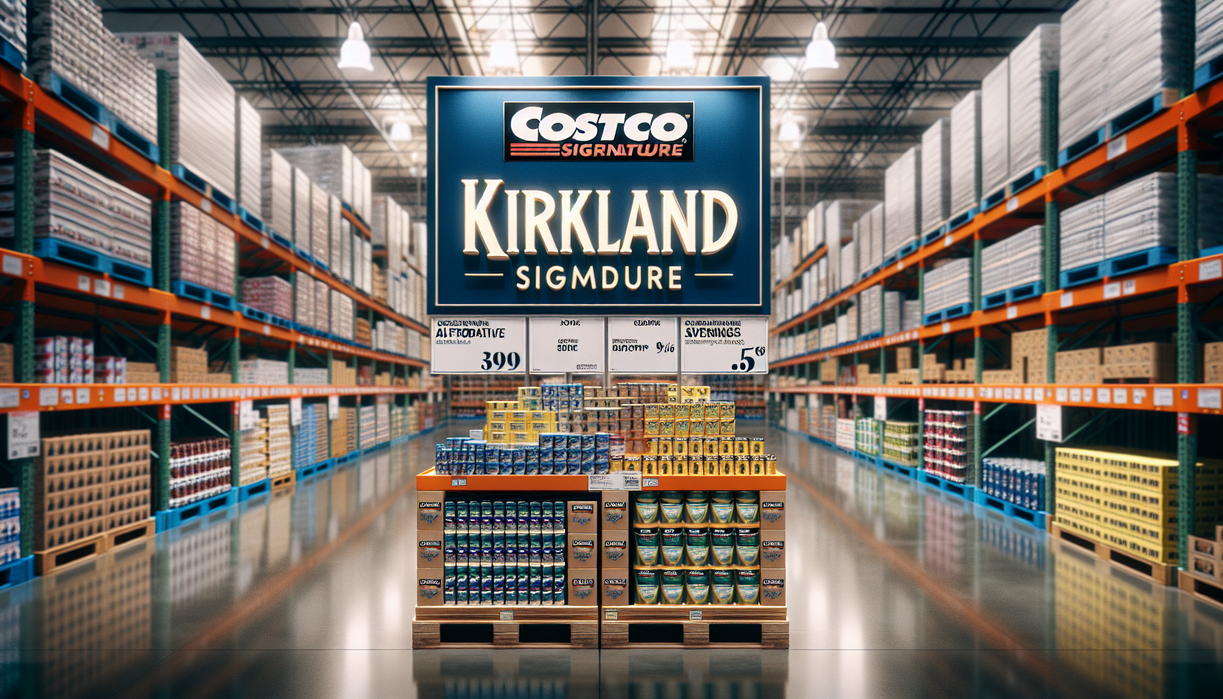
Unlike many retailers that juggle multiple in-house lines, Costco leans heavily on Kirkland Signature as its flagship. That concentrated approach influences content context before you even look at prices. Members learn through repetition that Kirkland usually delivers above-average quality for the cost. This reputation alters expectations: when you see a Kirkland item beside a famous brand, you do not view it as an unknown gamble. You see a known player. From my perspective, this trust allows Costco to nudge shoppers toward smarter trade-offs. We stop equating savings with sacrifice, and start weighing specifics: ingredients, performance, frequency of use, environmental impact. My cart experiment made me more skeptical of flashy packaging yet also more selective about which Kirkland swaps truly fit my lifestyle. Content context turned the warehouse into less of a bargain maze and more of a value laboratory.
Where Kirkland clearly wins on real value
Several categories in my Costco comparison showed clear Kirkland victories once content context entered the chat. Batteries are a classic example. Kirkland AA and AAA batteries often share production origins with a major brand yet cost noticeably less per unit. In everyday gear like remote controls, gaming controllers, and flashlights, performance felt indistinguishable. Because these items get replaced steadily over time, the savings compound without a drop in reliability.
Another standout group: pantry oils and baking basics. Kirkland’s organic extra-virgin olive oil, canola oil, sugar, flour, and chocolate chips managed to combine competitive quality with generous sizes. For households that cook several times per week, unit cost alone understates the advantage. Content context here includes reduced last-minute grocery runs, fewer small containers to recycle, and the confidence of a consistent supply. Those less obvious benefits help turn a lower per-ounce price into a smoother daily routine.
Even in more indulgent corners, Kirkland put up a strong fight. The much-discussed vanilla ice cream, for example, offers a rich texture rivaling premium brands at roughly a mid-tier price. If dessert at home replaces a couple of ice cream-shop visits, content context tilts further toward Kirkland. You get similar pleasure and quality while cutting the cost per serving. That is where the private label shines: not just cheaper, but a believable stand-in for restaurant or specialty purchases.
When brand names still earn their premium
My two-cart test did not crown Kirkland as universal champion. Certain brand-name products deserved their higher price once I evaluated content context honestly. One example is niche dietary items, like specialized protein powders or gluten-free baking blends. Some brands offer cleaner formulations, better testing transparency, or unique flavor profiles that Kirkland does not match yet. For athletes or people with specific medical requirements, that extra assurance carries real value.
Household cleaners provided another lesson. Kirkland detergents and dish soaps perform well for typical messes. However, a few targeted cleaning sprays from big brands worked faster on tough stains, which saved time and reduced the need for repeat scrubbing. When a bottle cuts your cleaning sessions in half, the per-ounce markup begins to look more reasonable. Content context here mixes performance, labor saved, and even reduced frustration, not just ingredients and cost.
Personal care is where emotion often overrides spreadsheets. Well-known skincare and haircare lines invest heavily in research and textures that people genuinely prefer. When I compared a Kirkland body lotion to a beloved brand, the store label hydrated fine but lacked the elegant finish I liked. I used less of the premium product because it spread better and felt nicer over time. In pure dollars, Kirkland looked stronger. In content context, the brand still won since satisfaction and usage patterns favored it.
What this means for your next Costco trip
As I rolled my mental carts back to the exit, the education was simple yet powerful: content context matters more than automatic loyalty to either Kirkland or brand names. Costco’s signature label thrives where quality converges with scale, covering most everyday staples remarkably well. Branded items still shine where specialization, sensory experience, or unique formulas justify a premium. The smartest Costco strategy is not blind allegiance but active comparison. Scan unit prices, read labels, imagine how you use each item at home, and consider what it replaces in your routine. Over time, your cart becomes less about chasing the lowest number and more about curating the best mix of performance, pleasure, and practicality—real savings measured not only in dollars, but in how well your purchases fit your life.